
CRA TIF Districts
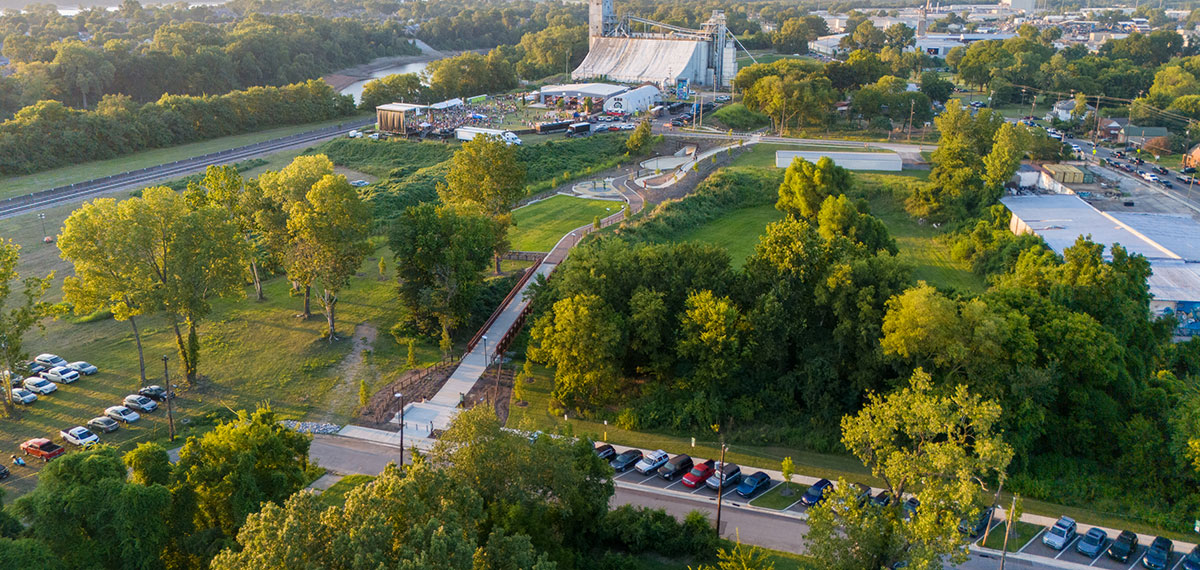
The Memphis and Shelby County Community Redevelopment Agency was established to combat blighted areas that constitute a serious and growing menace, injurious to the public health, safety, morals, and welfare of the residents of Shelby County. The CRA establishes community-based Tax Increment Financing (TIF) districts as a tool for the implementation of the CRA Workable Program.
The CRA manages the following TIF districts in Shelby County: Binghampton, Cleveland Street Corridor, Highland Row, Klondike, South Memphis/Soulsville, and Uptown.
 2025 was a key year for the CRA,where the focus of activities shifted from fighting blight to providing affordable housing. While our agency is still doing both, this year the CRA saw 76 homeowners receive repairs, 61 new homes scheduled for construction, 109 units of affordable senior living opened, and more affordable housing units (of all types) added to the pipeline! Blight is being replaced with beauty, bungalows, blooms, and businesses.
Our team and partners continue to work to implement the communities’ plans, providing excellent customer service and delivering solid implementation. The Memphis Business Journal recognized our CFO, Lobelia Cole-Smith, as a nominee for CFO of the year. Partnerships continue to be the secret sauce for building generational wealth and delivering successful results – this year, we partnered with dozens of local businesses to clean up trash, plant pollinator gardens, clean up brownfields, and restore vacant spaces.
Uptown TIF
Established 2001
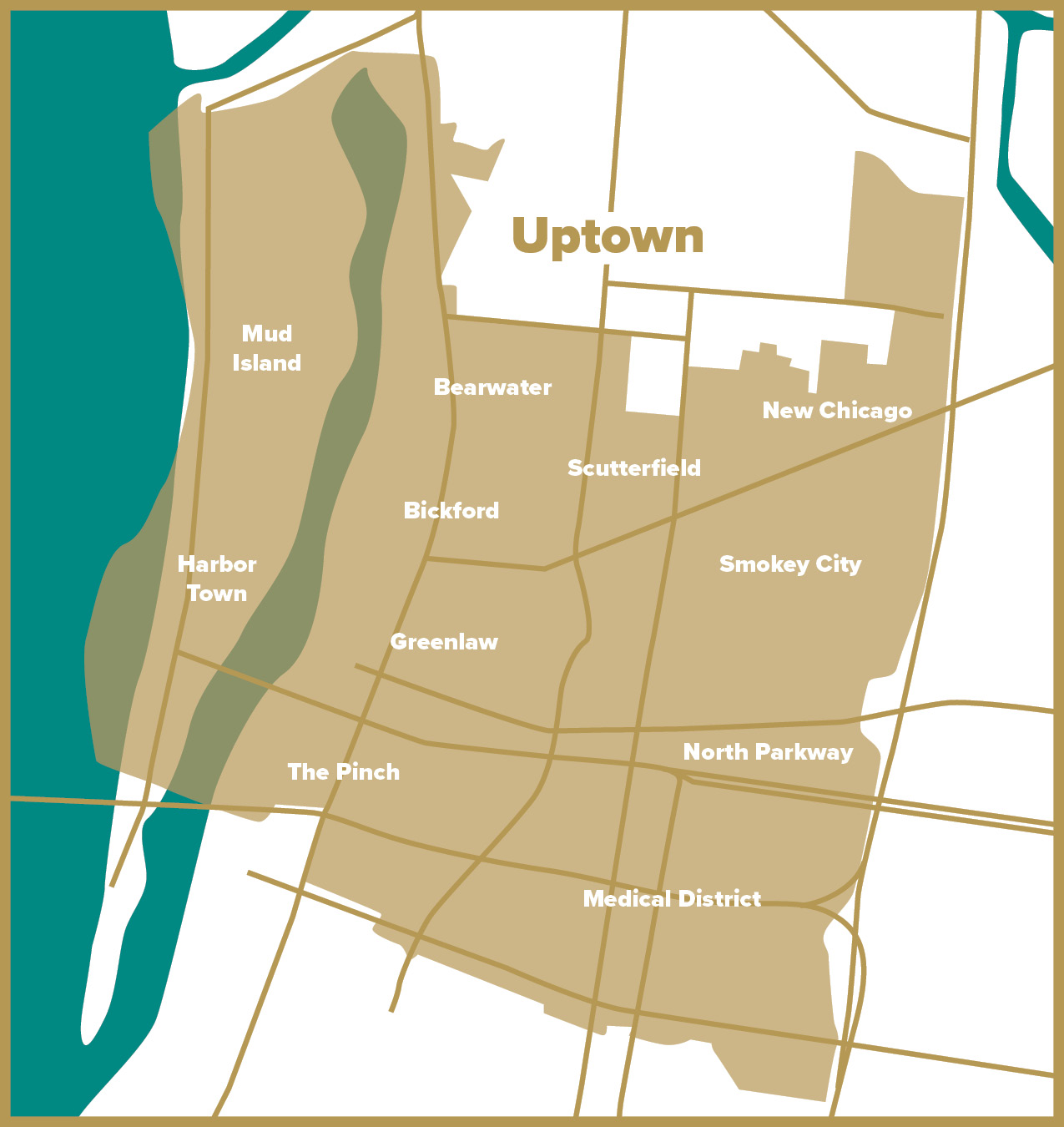
The Uptown Community is a large area comprised of portions of nine neighborhoods and measures approximately four square miles. Neighborhoods are Bearwater/Bickford, Greenlaw, Harbor Town/Mud Island, Medical District, New Chicago, North Parkway, The Pinch, Scutterfield, and Smokey City.
- Detailed Map
- Community Plan:
- 2018 (2022 Appendix)
- 2018-2024 Update
- Impact Report (2025, 2024)
- Property Redevelopment Map
- Transportation Plan
- Advisory Committee Application
Binghampton TIF
Established 2017
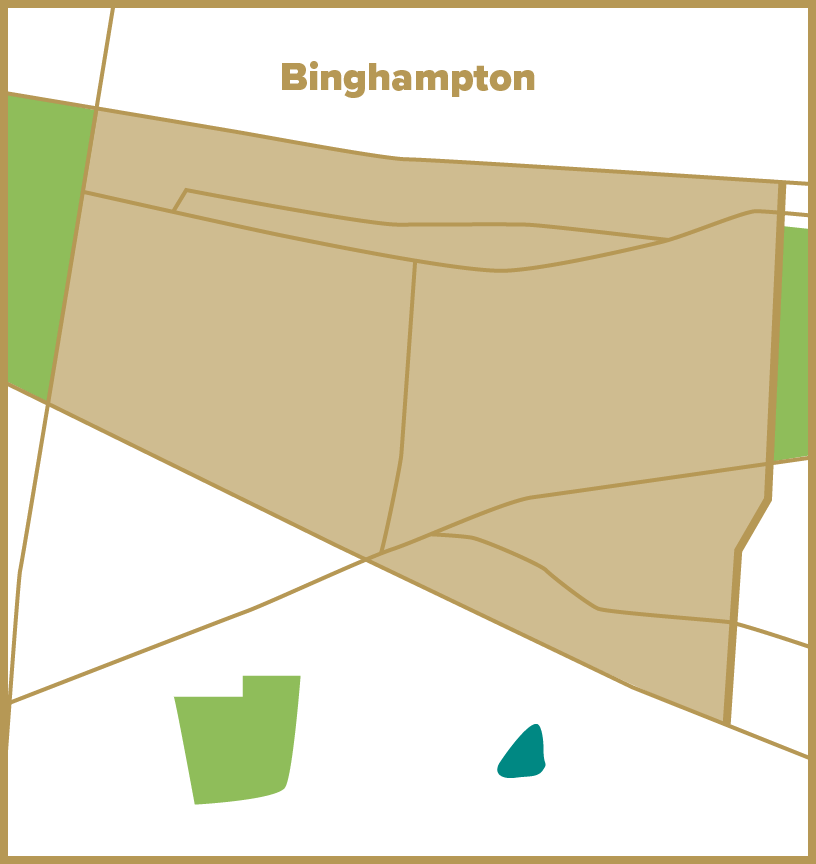
Binghampton is at the geographic center of Memphis. This area is critically important for the long-term economic vitality of the city due to its location and diversity of uses, and includes areas characterized by a high concentration of blight, a disadvantaged population, depressed housing values, and high unemployment.
Klondike TIF
Established 2022
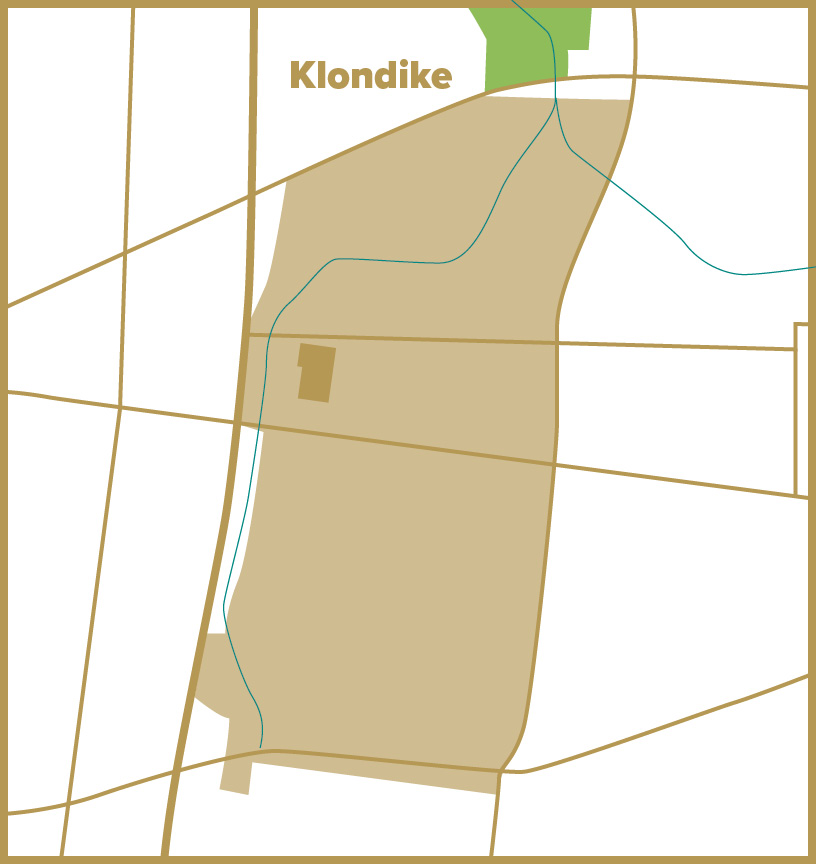
Located in the heart of North Memphis, the Klondike neighborhood developed post-Civil War as one of the City’s first African-American communities. A growing industrial sector provided job opportunities in North Memphis with major employers like Firestone locating in the area in the early 1900s. However, as these companies closed their plants in the second half of the 20th century, Klondike experienced growing unemployment and vacancies. Recently, 150 vacant properties were transferred from Shelby County ownership to Klondike neighborhood nonprofits tasked with collaborating with neighborhood residents on their revitalization and restoration.
- Detailed Map
- Redevelopment Plan (2022)
South Memphis/Soulsville TIF

Established 2022
The South Memphis and Soulsville neighborhoods are essential parts of the larger Memphis and Shelby County economies. As the birthplace of American soul music, the Area is deeply rooted in African American music and culture. These neighborhoods have experienced periods of prosperity, but are now facing growing issues related to concentrations of blight, disadvantaged populations, declining home values, and unemployment.
Cleveland Street Corridor TIF
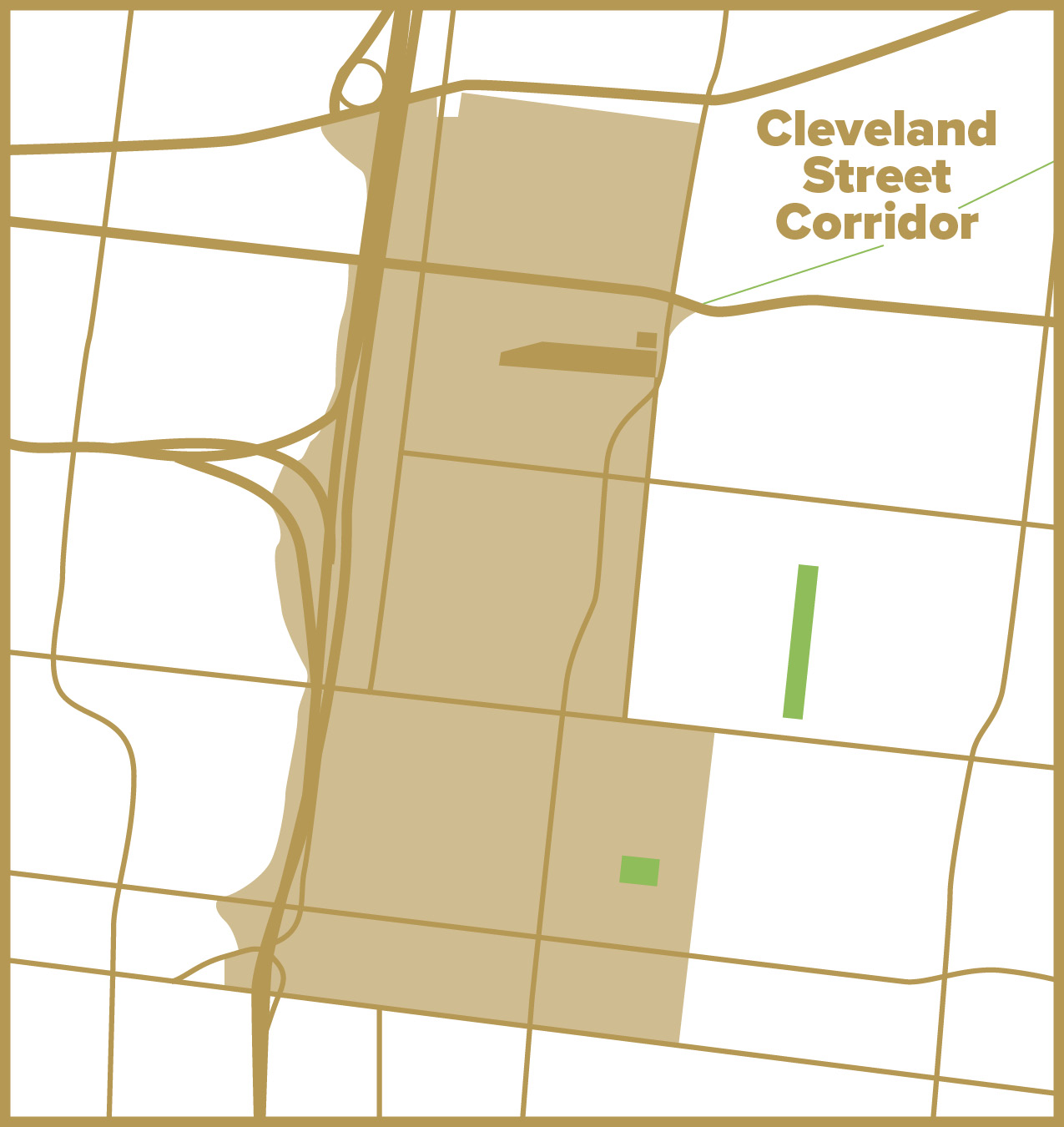
Established 2025
The Cleveland Street Corridor redevelopment area has a rich history that dates to the late 19th Century. This area was originally developed as the city expanded beyond the riverfront, with the neighborhood of North Memphis becoming home to early immigrant communities, including Irish, Italian, and later Jewish residents. The region experienced significant changes in the mid-20th century when the construction of I-40 disrupted established neighborhoods, districts, and commercial areas, contributing to urban decline that is present in Memphis today.